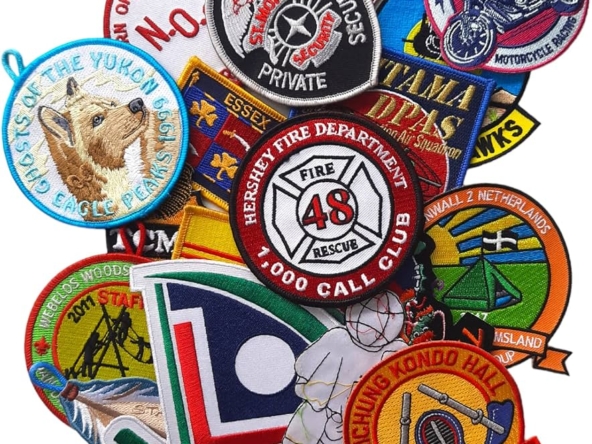
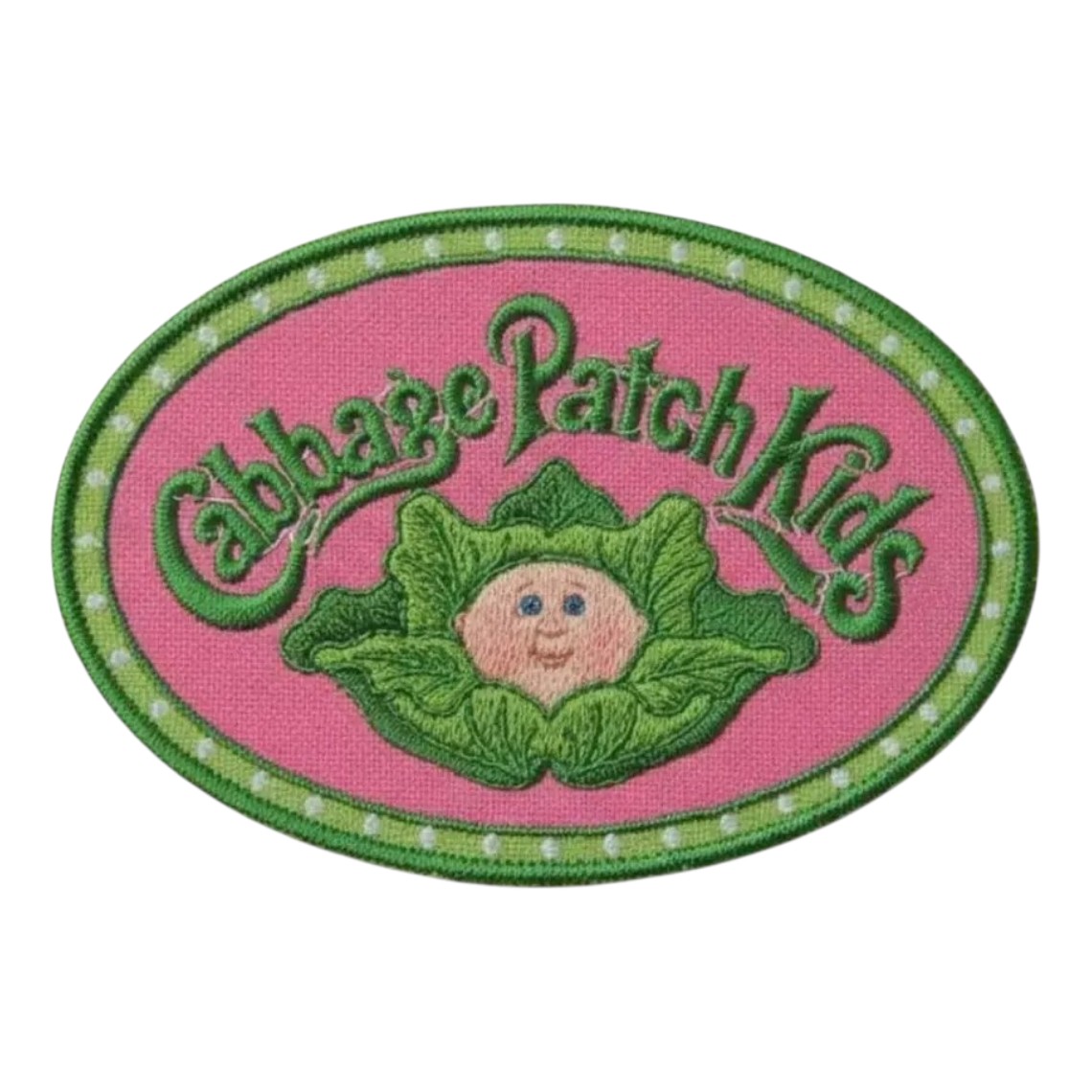
Looking for custom patches in the UK? The right choice depends on where the patch will be used, how detailed the design is, how it should be attached, and the appearance you want. Embroidered, woven, PVC, chenille, leather, and Velcro patches each have different characteristics, so choosing based on the application is usually better than choosing on appearance alone.
Custom patches can be used on jackets, uniforms, workwear, sports clothing, bags, motorcycle gear, club apparel, merchandise, and branded clothing. This guide explains the main options and what to consider before ordering.
What Are Custom Patches?
Custom patches are personalised badges produced from a customer’s logo, artwork, lettering, emblem, or original design. They can be made in different materials and attached to clothing or other suitable surfaces.
The most important decisions are usually patch material, size, shape, backing, colours, and artwork detail. Getting these choices right before production can help the finished patch look closer to the original design.
For businesses and clothing brands, patches can also provide a practical way to add logos or visual branding without printing directly onto every garment.
Which Type of Custom Patch Should You Choose?
The best patch type depends on your design and intended use. Here is a simple comparison:
| Patch Type | Best For | Main Characteristic |
|---|---|---|
| Embroidered | Jackets, uniforms, clubs | Traditional stitched appearance |
| Woven | Detailed logos and small lettering | Smooth surface and fine detail |
| PVC | Outdoor, tactical and sports gear | Flexible, modern and durable |
| Chenille | Varsity and sports clothing | Raised, textured appearance |
| Leather | Jackets, bags and fashion | Distinctive material finish |
| Velcro | Removable patches | Easy to attach and remove |
Embroidered Patches
Embroidered patches use stitched thread to create the design. They are a popular choice for logos, club badges, uniforms, jackets, sportswear, and traditional-style patches.
They work particularly well when the artwork contains bold shapes, strong lettering, and a design that benefits from visible stitching.
Woven Patches
Woven patches use tightly woven threads rather than heavier embroidery. Their flatter surface can make them suitable for designs containing smaller details or lettering.
They are often considered for clothing brands, labels, uniforms, clubs, and logos where a cleaner finish is preferred.
PVC Patches
PVC patches have a smooth synthetic construction and a distinctly modern appearance. Their defined edges and layered designs can work well for outdoor clothing, tactical equipment, sports gear, motorcycle apparel, and bags.
Chenille and Leather Patches
Chenille patches have a raised, textured appearance that suits varsity jackets, sports clothing, school apparel, and fashion pieces.
Leather patches offer a different visual and tactile finish. They can work particularly well on jackets, bags, caps, and clothing where the material itself forms part of the design.
What Backing Should a Custom Patch Have?
Choose the backing according to whether you want the patch to be permanent or removable.
Sew-on backing is a traditional option and can be suitable when the patch is intended to remain attached to the garment.
Iron-on backing can make application easier when used with compatible fabrics and according to the supplier’s instructions.
Velcro backing is useful when a patch needs to be removed, replaced, or exchanged regularly. This makes it particularly practical for certain uniforms, tactical clothing, bags, and equipment.
Before selecting a backing, consider the fabric, washing conditions, frequency of use, and whether you need to move the patch between garments.
How Should You Prepare Artwork for a Custom Patch?
Start with the clearest version of your logo or artwork. Vector artwork is ideal when available, but a good-quality image can also give a supplier enough information to recreate the design.
Pay particular attention to small text and fine details. A design that looks clear on a large computer screen may become difficult to reproduce when reduced to a small patch.
A useful production process is to review a digital proof before manufacturing. This gives you a chance to check the shape, lettering, colours, borders, and overall layout.
For example, CustomPatches.uk describes a three-stage process: customers provide their artwork or ideas, review a digital illustration, and approve the design before production and shipping.
How Do You Choose the Right Patch Size?
The patch should be large enough for the design to remain readable but small enough to suit the garment.
A chest logo, sleeve badge, large back patch, and bag patch may all require different dimensions.
Consider these questions before ordering:
- Where will the patch be placed?
- How much space is available?
- Does the design contain small lettering?
- Will the patch need to be visible from a distance?
- Does the shape need to follow the outline of the artwork?
For complex logos, increasing the patch size can sometimes make small details easier to reproduce.
What Should You Check Before Ordering?
Before approving a custom patch order, check the design proof, colours, spelling, dimensions, backing, border, and intended application.
It is also worth asking the supplier about production requirements, minimum quantities, available materials, proofing, delivery, and whether samples are available.
For clothing businesses selling finished garments, remember that textile products placed on the UK market can have specific fibre-composition labelling requirements. GOV.UK notes that manufacturers and retailers of textiles must follow special labelling rules.
If your patch contains another company’s logo, organisation emblem, or protected brand identity, make sure you have permission to use it. The UK government advises contacting the trade mark owner when using an existing trade mark.
Where Can You Order Custom Patches in the UK?
When comparing suppliers, look beyond the advertised price. Check the range of materials, backing choices, artwork support, proofing process, communication, and delivery options.
CustomPatches.uk offers embroidered, woven, custom pvc patches, chenille, leather, and Velcro patch options, along with design mockups and a production process that includes artwork review before manufacturing.
This type of workflow can be useful for customers who already have a finished logo as well as those starting with a rough idea.
Frequently Asked Questions
What is the best type of custom patch?
There is no single best type for every application. Embroidered patches suit traditional stitched designs, woven patches can work well for finer details, PVC suits modern and outdoor applications, and Velcro is useful when patches need to be removable.
Are custom patches suitable for clothing brands?
Yes. Custom patches can be used on jackets, hoodies, uniforms, bags, caps, and other suitable products to add logos, labels, artwork, or branding.
Should I choose sew-on or Velcro backing?
Choose sew-on when you want a more permanent attachment. Choose Velcro when you want the ability to remove or replace the patch.
Can small text be used on a custom patch?
Small text can be challenging, particularly on smaller patches. If your design contains detailed lettering, discuss the size and patch type with the supplier before production.
Do I need permission to use a company’s logo on a patch?
If the logo is protected by trade mark or other intellectual property rights and you do not own it, you may need permission from the rights holder. UK government guidance recommends contacting the current trade mark owner when using an existing trade mark.
Final Takeaway
Choosing custom patches is easier when you start with the intended use rather than the material alone. Consider the artwork, patch size, material, backing, attachment method, and level of detail before ordering.
For a traditional look, embroidered patches are a strong option. Woven patches can suit detailed designs, PVC works well for modern applications, chenille adds texture, leather creates a distinctive finish, and Velcro provides flexibility when a patch needs to be removed.
A clear design proof and careful review before production can also help ensure that the finished patches match your expectations.